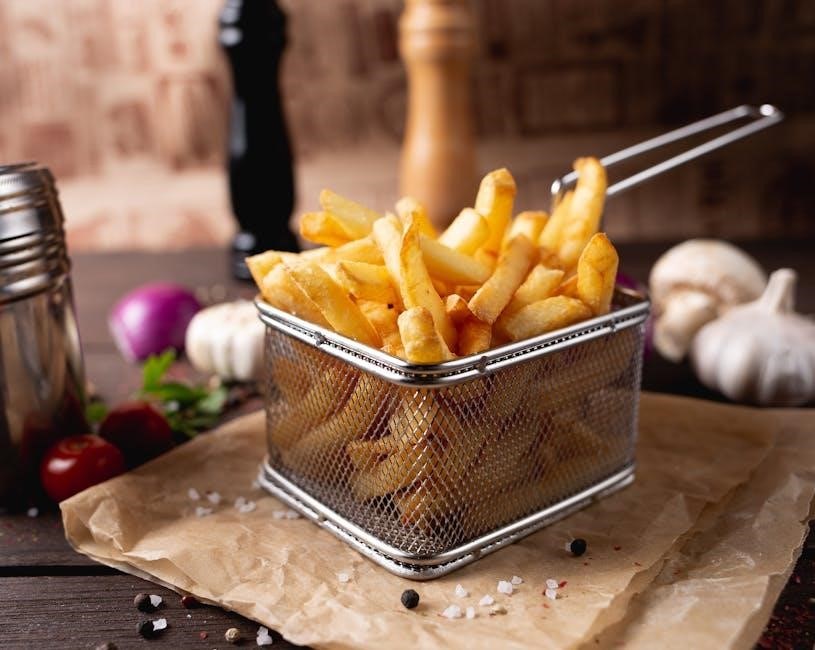
Power Air Fryer Instruction Manual: A Comprehensive Guide
This manual details the Power Air Fryer XL AF-240, a versatile appliance blending air frying and blending capabilities․
It offers guidance for setup, operation, and maintenance, ensuring optimal performance and longevity of your kitchen companion․
Explore pre-set programs, manual controls, and advanced techniques for diverse recipes․ Learn to troubleshoot common issues and maintain your fryer safely․
Discover how to extract data from manuals using Power Automate, enhancing your cooking experience with streamlined information access and efficient operation․
Understanding Your Power Air Fryer
The Power Air Fryer utilizes rapid air circulation technology to cook food with little to no oil, offering a healthier alternative to traditional frying methods․ This innovative appliance isn’t merely an air fryer; some models, like the AF-240, incorporate blending functionalities, expanding its culinary versatility․
Understanding the core principles of air frying is crucial․ Hot air, circulated at high speeds, creates a crispy exterior similar to deep frying, while retaining moisture within; This process requires less time and oil, resulting in reduced fat content and quicker cooking times․
Familiarize yourself with the appliance’s components․ This includes the frying basket, drip tray, heating element, and control panel․ Each element plays a vital role in the cooking process․ Knowing how these parts interact will help you achieve optimal results and ensure safe operation․ Proper understanding of these features will unlock the full potential of your Power Air Fryer․
Model Specifications (AF-240 & Similar)
The Power Air Fryer XL AF-240 boasts a generous capacity, typically ranging from 5 to 7 quarts, accommodating family-sized portions․ Its power rating generally falls between 1500-1800 watts, ensuring rapid heating and efficient cooking․ Dimensions vary slightly, but expect a footprint around 14 x 12 x 15 inches․
Similar models often share core specifications, including adjustable temperature controls (typically 180°F to 400°F) and timers up to 60 minutes․ Construction materials commonly include stainless steel and BPA-free plastics for durability and food safety․
Key technical details include voltage requirements (usually 120V) and frequency (60Hz)․ Weight typically ranges from 10 to 15 pounds․ These specifications are crucial for ensuring compatibility with your kitchen’s electrical system and understanding the appliance’s physical requirements․
Key Features and Benefits
The Power Air Fryer XL AF-240 excels in versatility, functioning as both an air fryer and, in some models, a blender․ This dual functionality reduces kitchen clutter and expands culinary possibilities․ Rapid air circulation technology ensures food is crispy on the outside and tender within, using minimal oil – promoting healthier eating․
Pre-set cooking programs simplify meal preparation, offering optimized settings for fries, chicken, steak, and more․ Digital controls provide precise temperature and time adjustments for customized cooking․ Easy-to-clean components, often dishwasher-safe, streamline post-meal cleanup․
Benefits include faster cooking times, reduced fat intake, and consistent results․ The large capacity is ideal for families or batch cooking․ Power Automate integration (for data extraction from manuals) enhances user experience and provides convenient access to information․
Getting Started: Initial Setup
Begin by carefully unboxing your Power Air Fryer XL AF-240, verifying all components are present․ Thoroughly clean the appliance and preheat it before first use for optimal results․
Unboxing and Component Checklist
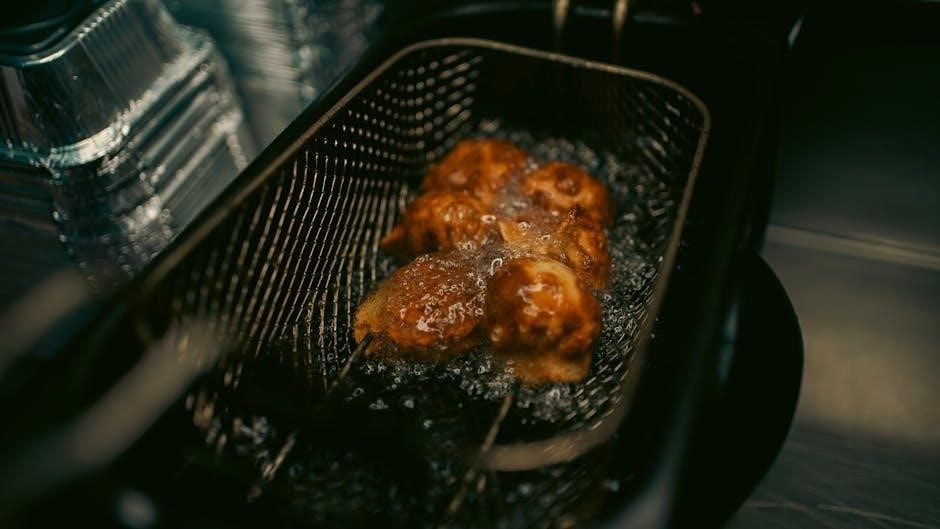
Carefully unpack your new Power Air Fryer XL AF-240, ensuring you have ample space to avoid damaging any components․ The box should contain the main air fryer unit, the removable frying basket, and the crisping tray․
Verify the presence of the power cord and this instruction manual – essential for safe and effective operation․
Inspect each item for any shipping damage․ If anything appears broken or missing, immediately contact customer support․
The frying basket and crisping tray are typically dishwasher safe, but always check the cleaning instructions for specifics․
Familiarize yourself with each part’s function before proceeding․
A quick visual check is crucial: confirm the heating element is intact, the control panel is undamaged, and all buttons are responsive․
Retain the original packaging for potential warranty claims or future storage․
Properly accounting for all components now will prevent frustration later during setup and cooking․
First-Time Use: Cleaning and Preheating
Before your inaugural cooking session, thoroughly clean the Power Air Fryer XL AF-240’s interior․ Wash the frying basket and crisping tray with warm, soapy water, or place them in the dishwasher if they are dishwasher-safe․ Wipe down the inside of the main unit with a damp cloth – avoid immersing it in water․
Preheating is vital for optimal performance․ Set the temperature to 400°F (200°C) and the timer for 5-10 minutes․ This initial heating cycle eliminates any residual manufacturing odors and prepares the air fryer for consistent cooking․
A slight odor during the first use is normal and will dissipate quickly․
After preheating, the unit is ready․ Ensure the basket is securely in place before adding food․ This process ensures even heat distribution and crispy results․
Always refer to the cooking guidelines for specific food types and recommended preheating times․
Control Panel Overview & Functions
The Power Air Fryer XL AF-240’s control panel features an intuitive digital interface․ The power button initiates operation, while temperature controls allow adjustments between specified ranges, typically 180°F to 400°F (82°C to 204°C)․ A timer dial or buttons set cooking durations, often up to 60 minutes․
Pre-set programs simplify cooking for common dishes like fries, chicken, and steak․ These programs automatically configure temperature and time settings․ Manual mode grants full control over both parameters․
Some models include additional functions like shake reminders, prompting you to flip or toss food for even cooking․
Familiarize yourself with each button and display indicator․ The start/pause button controls the cooking cycle, and the stop button immediately halts operation․
Understanding these functions ensures safe and efficient use of your air fryer․
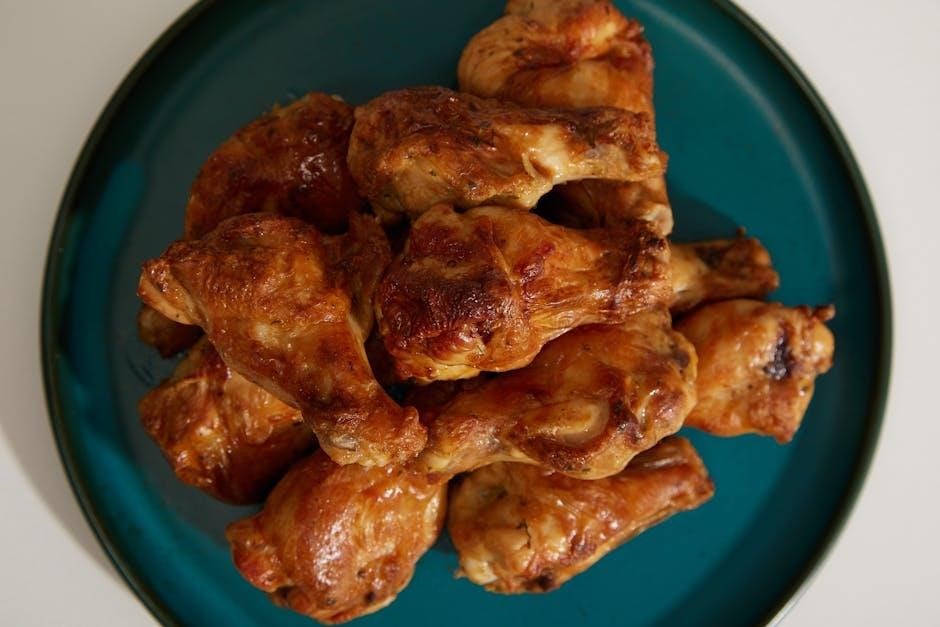
Cooking with Your Power Air Fryer
Mastering your Power Air Fryer involves understanding temperature and time settings, utilizing pre-set programs, and confidently adjusting parameters for personalized cooking experiences․
Explore diverse recipes and unlock the full potential of this versatile appliance, achieving crispy, delicious results with ease and precision․
Temperature and Time Settings Guide
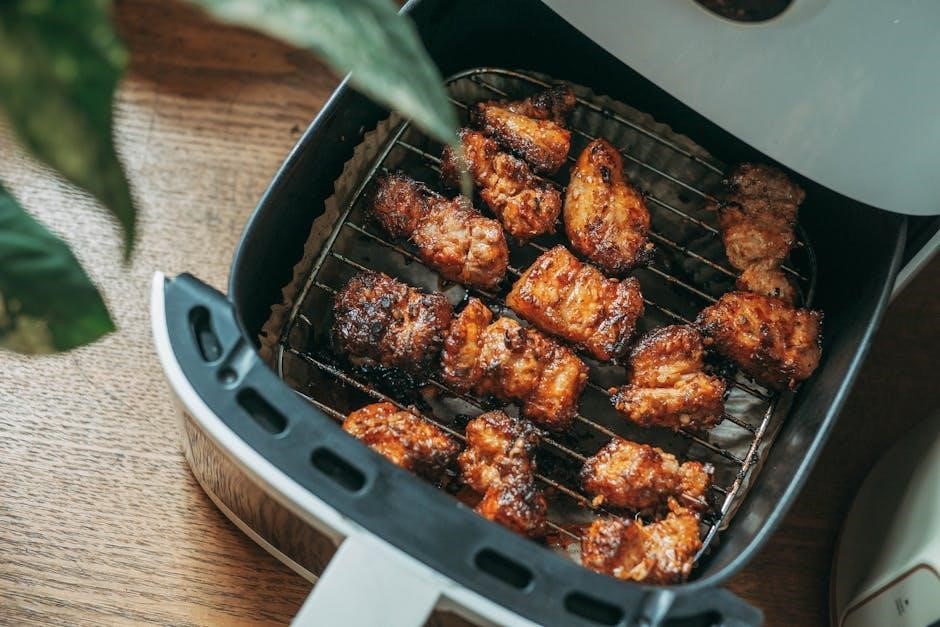
Achieving optimal results with your Power Air Fryer hinges on understanding the relationship between temperature and cooking time․ Generally, lower temperatures (around 350°F/175°C) are ideal for delicate foods like vegetables or reheating, requiring approximately 10-15 minutes․
For crispy textures on proteins – chicken, fish, or beef – a higher temperature (375-400°F/190-200°C) is recommended, with cooking times varying from 15-25 minutes depending on thickness and quantity․ Frozen foods often benefit from temperatures around 400°F/200°C for 12-20 minutes․
Remember these are guidelines; adjustments are often necessary․ Smaller portions require shorter times, while larger quantities may need a few extra minutes․ Always check for doneness using a food thermometer to ensure safe internal temperatures are reached․ Experimentation is key!
Consult recipe-specific instructions whenever possible, and don’t hesitate to start with the minimum recommended time, adding more as needed․ Consistent monitoring prevents overcooking and ensures perfectly cooked meals every time․
Pre-Set Cooking Programs Explained
Your Power Air Fryer boasts pre-set programs designed for convenience and consistent results․ These programs automatically adjust temperature and time for popular dishes, simplifying the cooking process․
Common presets include ‘Fries,’ ‘Chicken,’ ‘Steak,’ ‘Fish,’ and ‘Shrimp․’ Selecting ‘Fries’ typically sets the fryer to a high temperature for crispy results, while ‘Chicken’ utilizes a moderate temperature and longer cook time for thorough cooking․ ‘Steak’ offers options for varying degrees of doneness․
The ‘Fish’ and ‘Shrimp’ programs employ lower temperatures to prevent overcooking delicate seafood․ Experiment with these presets to discover their optimal settings for your preferred ingredients and desired level of crispness․
While convenient, remember these are starting points․ Adjusting time or temperature manually can further refine the outcome to your exact preferences․ Refer to the manual for specific program details and recommended food weights․
Adjusting Cooking Time and Temperature Manually
For customized cooking, the Power Air Fryer allows manual adjustment of both time and temperature․ Utilize the control panel’s intuitive buttons to precisely tailor settings to your recipe’s needs․
To increase or decrease temperature, press the corresponding arrow buttons․ The display will show the adjusted temperature in Fahrenheit or Celsius, depending on your preference․ Similarly, use the time buttons to modify the cooking duration in minutes․
Consider food thickness and density when making adjustments․ Thicker cuts require longer cooking times, while denser foods may benefit from slightly higher temperatures․ Regularly check food during cooking, especially when experimenting with new recipes․
Small adjustments can make a significant difference in the final result․ Document your successful manual settings for future reference, creating a personalized cookbook of air frying perfection․
Advanced Techniques & Troubleshooting
Master diverse cooking styles and recipe conversions for optimal air frying․ Address common issues with our error code guide, ensuring seamless operation and delicious results every time․
Using the Air Fryer for Different Food Types
The Power Air Fryer excels at cooking a wide variety of foods, but understanding optimal settings for each is key․ For vegetables, a temperature between 375°F and 400°F (190°C ⎼ 200°C) for 10-15 minutes typically yields crispy results – consider tossing with a light oil spray beforehand․
Proteins like chicken and fish benefit from slightly lower temperatures, around 360°F (180°C), and longer cooking times to ensure they are cooked through․ Always use a meat thermometer to verify internal temperature․ For frozen foods, no pre-thawing is usually needed; simply adjust cooking time accordingly, often adding a few extra minutes․
Baking smaller items like cookies or muffins is also possible, utilizing temperatures similar to conventional ovens, but reducing cooking time․ Experimentation is encouraged! Remember to check food frequently and adjust settings as needed to achieve your desired level of crispness and doneness․ Proper food placement within the basket is also crucial for even cooking․
Converting Recipes for Air Frying
Adapting traditional recipes for your Power Air Fryer often requires adjustments to temperature and cooking time․ Generally, reduce the oven temperature by 25°F (15°C) when air frying․ This compensates for the concentrated heat and rapid air circulation․
Cooking times are typically shorter – start by reducing the original time by about 20%, and check for doneness frequently․ For recipes involving breading, ensure the coating is well-adhered to prevent it from blowing around inside the fryer․ A light spray of oil can help with adhesion and browning․
When converting liquid-based recipes, consider using smaller baking dishes or molds that fit comfortably within the air fryer basket․ Monitor closely to prevent splattering․ Remember, air frying excels at creating crispy exteriors, so recipes benefiting from that texture are ideal candidates for conversion․ Experimentation and careful observation are key to successful results!
Common Issues and Solutions (Error Codes)
If your Power Air Fryer displays an error code, consult the troubleshooting section of this manual․ Common issues include “E1” indicating a temperature sensor malfunction, requiring service․ “E2” often signals a heating element failure, also needing professional attention․
Food not cooking evenly? Ensure it’s not overcrowded in the basket; work in batches․ For crispier results, flip or shake food halfway through the cooking process․ Smoke during operation can indicate excessive oil or food particles – clean the basket and interior thoroughly․
If the unit won’t power on, check the power cord and outlet․ A tripped circuit breaker could also be the culprit․ For unresponsive controls, try resetting the appliance by unplugging it for several minutes․ If problems persist, contact customer support for assistance and avoid attempting self-repair․
Maintenance and Safety
Regular cleaning extends your Power Air Fryer’s life․ Always unplug before cleaning, and never immerse the unit in water․ Prioritize safety by following all warnings!
Ensure proper ventilation and avoid flammable materials nearby․ Handle hot surfaces with care, using oven mitts or tongs to prevent burns․
Cleaning and Care Instructions
Maintaining your Power Air Fryer is crucial for optimal performance and longevity․ Always unplug the unit and allow it to cool completely before cleaning․ The basket and crisper plate are dishwasher safe, offering convenient cleaning․ Alternatively, wash them with warm, soapy water and a non-abrasive sponge․
The interior of the air fryer should be wiped down regularly with a damp cloth to remove any food residue․ Avoid using harsh chemicals or abrasive cleaners, as they can damage the non-stick coating․ For stubborn stains, a paste of baking soda and water can be applied gently․
The exterior of the air fryer can be cleaned with a damp cloth and mild detergent․ Ensure the heating element is free from debris․ Regularly inspect the power cord for any damage and avoid using the appliance if the cord is frayed or damaged․ Proper care ensures years of reliable use!
Do not immerse the main unit in water or any other liquid․
Safety Precautions and Warnings
Prioritize safety when operating your Power Air Fryer․ Always ensure the appliance is placed on a stable, heat-resistant surface away from flammable materials․ Never operate the air fryer without the basket properly inserted․ Avoid touching hot surfaces; use oven mitts or tongs when handling the basket and food․
Do not overfill the basket, as this can cause uneven cooking and potential hazards․ Ensure proper ventilation around the unit during operation․ Never immerse the main unit in water or any other liquid․ Keep the air fryer out of reach of children․
Inspect the power cord regularly for damage and discontinue use if frayed․ Do not use extension cords with this appliance; Unplug the air fryer when not in use and before cleaning․ Never attempt to repair the appliance yourself; contact qualified service personnel for assistance․
Always follow the instructions in this manual carefully․
Power Automate Integration (Data Extraction from Manuals)
Leverage Power Automate to streamline information retrieval from your Power Air Fryer instruction manual․ Utilize the “Get file content” action to access the manual, whether stored locally or in cloud services like SharePoint or OneDrive․
Employ the “Parse CSV” action if the manual’s data is structured in a comma-separated value format․ For PDF manuals, consider using OCR (Optical Character Recognition) connectors to extract text․ Subsequently, use text analysis actions to identify key data points like cooking times, temperatures, and safety warnings․
Automate tasks such as creating cooking schedules or sending reminders based on extracted data․ Integrate with other applications like email or databases to share information․ Utilize the “Convert datetime to text” action for consistent date and time formatting, ensuring accurate data representation within your flows․
This integration enhances efficiency and accessibility of crucial manual information․