Tennessee Walking Horse Rescue: A Comprehensive Guide
Discover vital resources for Tennessee Walking Horse adoption, encompassing rescue organizations, breed insights, and the impact of the ‘Big Lick’ controversy․
Find downloadable guides and PDF resources to aid in responsible ownership and support these magnificent animals․
Understanding the Tennessee Walking Horse Breed
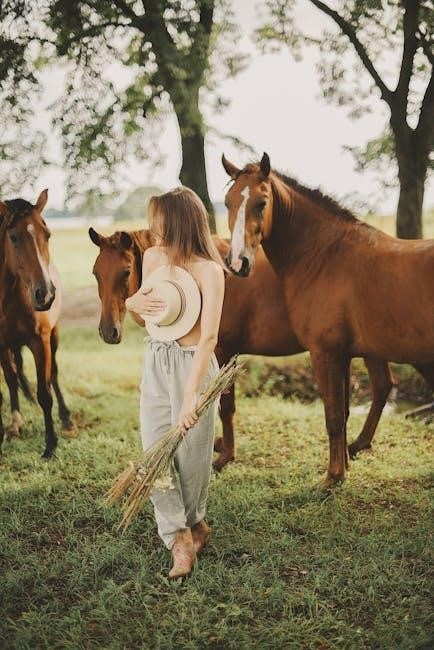
Tennessee Walking Horses are renowned for their distinctive gaits, particularly the “running walk,” offering a smooth, comfortable ride․ Originating in the Southern United States, they were developed as plantation horses, prized for their stamina and gentle temperament․ These horses typically stand between 14․3 and 17 hands high and come in various colors․
However, the breed’s history is intertwined with the controversial practice of “Big Lick” showing, which has led to abuse and the need for rescue organizations․ Understanding their natural athleticism and inherent sensitivity is crucial for responsible ownership․ Potential adopters can find detailed breed information, including health considerations and gait explanations, within PDF guides available from rescue organizations like Horse Plus Humane Society․ These resources are invaluable for ensuring a proper match between horse and rider, promoting the well-being of this unique breed․
The Need for Rescue Organizations
Tennessee Walking Horse rescue organizations are critically important due to several factors, most notably the fallout from the “Big Lick” show world․ Many horses, once their show careers end – often prematurely due to injury or age – are abandoned or neglected․ These organizations provide a safe haven, rehabilitation, and ultimately, loving homes for these animals․
The demand for rescue services is consistently high, requiring substantial resources for veterinary care, farrier services, and rehabilitation․ Organizations like Horse Plus Humane Society rely heavily on donations and volunteers․ Comprehensive PDF guides detailing the plight of these horses, adoption processes, and ways to support rescues are frequently available on their websites․ These resources highlight the urgent need for intervention and responsible horse ownership, emphasizing that rescue is often a horse’s last chance at a fulfilling life․
Common Reasons Horses End Up in Rescue

Several factors contribute to Tennessee Walking Horses needing rescue․ A primary reason is the aftermath of the “Big Lick” show horse industry, where horses are often discarded when they can no longer compete․ Neglect and abandonment due to financial hardship faced by owners are also prevalent․ Injury, illness, or simply old age can leave horses unable to be cared for by their original owners․
Furthermore, some horses are surrendered due to a lack of knowledge regarding their specific needs, particularly those related to the breed’s unique gait․ Detailed PDF guides offered by rescue organizations often outline these common scenarios․ These resources emphasize responsible ownership and the importance of understanding the commitment involved in caring for a Tennessee Walker, aiming to prevent future cases of horses ending up in rescue situations; Ultimately, a combination of economic factors, industry practices, and owner capabilities contribute to the ongoing need for rescue services․
Big Lick Controversy and its Impact on Rescues
The “Big Lick” refers to a specific, exaggerated gait achieved through soring – the intentional infliction of pain on a horse’s front feet․ This practice, despite being illegal, persists, leading to a constant influx of abused and neglected Tennessee Walking Horses into rescue organizations․ Once their show careers end, many horses are simply discarded, often in poor condition, requiring extensive rehabilitation․
Rescues like Horse Plus Humane Society dedicate significant resources to treating the physical and emotional trauma inflicted by soring․ PDF documents available through rescue websites detail the horrific methods used in soring and the long-term consequences for the horses․ The controversy fuels the demand for rescue services, straining their capacity and financial resources․ Increased awareness and stricter enforcement are crucial, but until soring is eradicated, rescues will continue to bear the burden of caring for its victims, providing sanctuary and a chance at a pain-free life․
Horse Plus Humane Society: A Leading Rescue
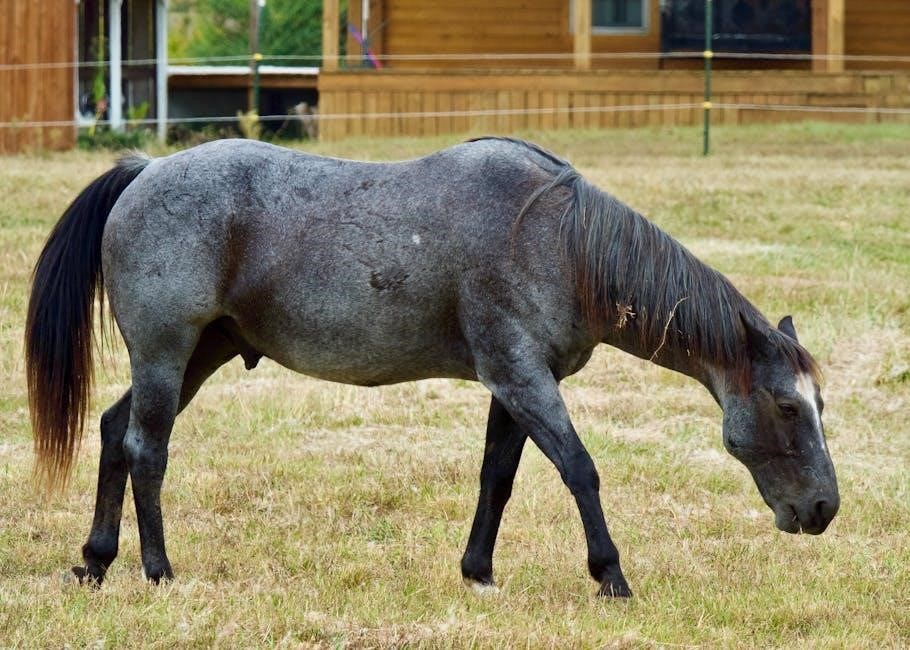
Horse Plus Humane Society stands as a prominent organization dedicated to the rescue, rehabilitation, and rehoming of Tennessee Walking Horses, particularly those impacted by the Big Lick show world․ Founded by Tawnee Preisner and her son Justin, they actively investigate abuse cases and provide sanctuary for horses in need․ Their comprehensive approach includes veterinary care, farrier services, and behavioral training to prepare horses for adoption․
The organization frequently collaborates with advocates like Candace Wade to raise awareness about the plight of these horses․ Detailed information about their work, including adoption applications and success stories, is readily available on their website, often in PDF format․ Horse Plus Humane Society’s commitment extends to educating the public about responsible horse ownership and the detrimental effects of soring, striving to create a future where all Tennessee Walking Horses can live free from pain and abuse․
Adoption Categories: What to Expect
Tennessee Walking Horse rescues typically categorize horses to match adopters’ experience levels․ “Unstarted” horses, generally under five years old, require significant training before being ridden, offering a rewarding project for experienced equestrians․ “Rideable” horses are already under saddle and suitable for intermediate to advanced riders seeking a companion or trail partner․
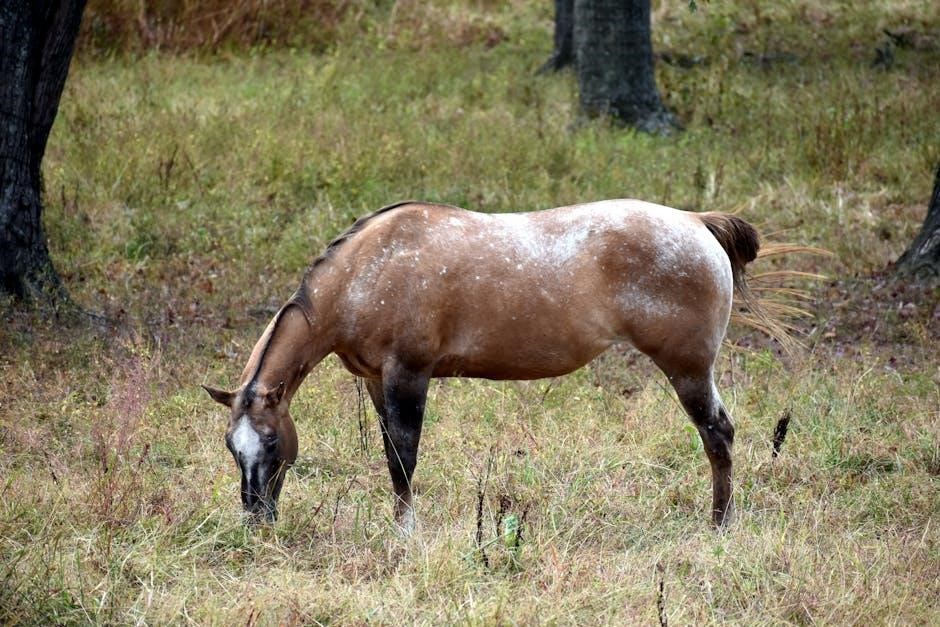
“Companion” horses, often older or with limitations preventing strenuous riding, provide loving companionship and emotional support․ Detailed descriptions, including temperament, health records, and training history, are usually provided – often available as a downloadable PDF from the rescue’s website․ Adoption applications require careful consideration of your lifestyle and ability to meet the horse’s specific needs․ Expect a thorough vetting process to ensure a successful and lasting match, prioritizing the horse’s well-being above all else․
Unstarted Horses: Potential and Training Needs
Adopting an unstarted Tennessee Walking Horse presents a unique opportunity to shape a horse’s future, but requires dedication and expertise․ These horses, typically under five years, haven’t received formal riding training and may need groundwork to establish trust and respect․ Expect to invest time and potentially professional guidance in desensitization, lunging, and eventually, saddle introduction․
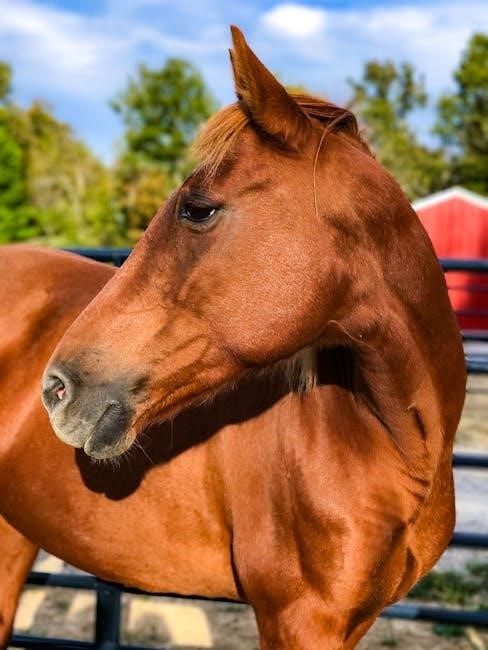
Potential adopters should possess a solid understanding of equine behavior and learning principles․ Rescues often provide initial health assessments and may offer resources – sometimes as a downloadable PDF guide – outlining recommended training approaches․ Patience is paramount; building a strong foundation is crucial for a safe and harmonious partnership․ Be prepared for challenges and celebrate small victories, knowing you’re providing a deserving horse a second chance at a fulfilling life․
Rideable Horses: Ready for a New Home
Rideable Tennessee Walking Horses offered through rescues represent a fantastic option for experienced equestrians seeking a companion․ These horses have typically undergone some level of training and are assessed for their suitability for various riding disciplines․ However, remember that rescue horses often come with unknown histories, so a thorough pre-adoption trial period is essential to ensure a good match․
Rescues frequently provide detailed information about each horse’s temperament, skill level, and any known health concerns – often compiled in a comprehensive PDF profile․ Be prepared to discuss your riding experience and intended use with the rescue organization․ A successful adoption hinges on honesty and a commitment to providing continued care and training․ These horses are ready to offer years of partnership and enjoyment to a loving home․
Companion Horses: Providing Friendship and Support
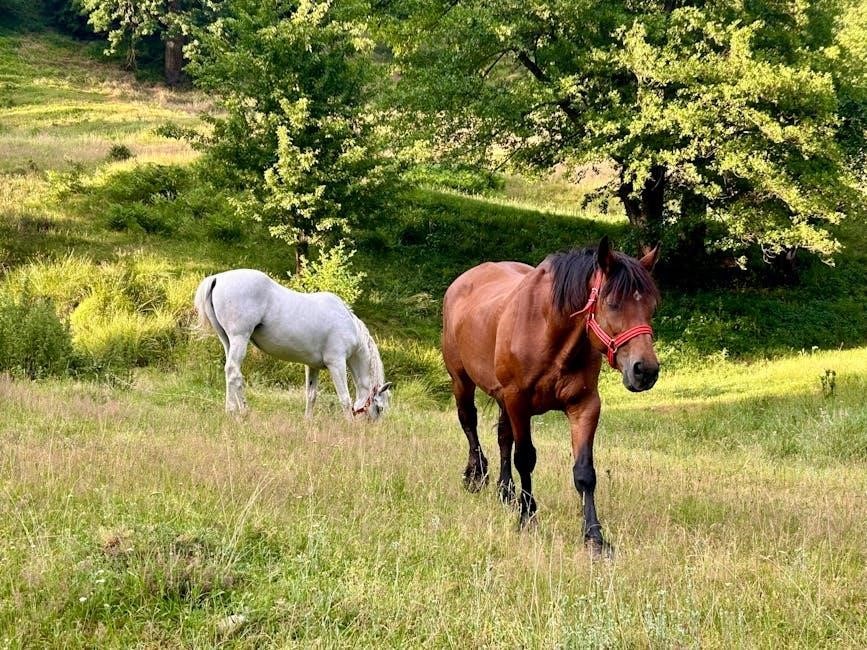
Companion Tennessee Walking Horses are ideal for individuals seeking equine companionship without the expectation of riding․ These horses may be retired from previous work, have physical limitations preventing riding, or simply possess a calmer temperament better suited for a pasture buddy role․ They offer the joys of horse ownership – grooming, ground work, and affectionate interaction – without the demands of regular riding;
Rescue organizations often have detailed PDF profiles outlining a companion horse’s personality and any specific care requirements․ They are wonderful additions for those with limited riding experience or those wanting a gentle equine presence․ Remember, even companion horses require consistent care, including proper nutrition, hoof care, and veterinary attention․ Providing a safe and enriching environment is crucial for their well-being, fostering a rewarding bond for both horse and owner․
The Importance of Social Interaction for Tennessee Walkers
Tennessee Walking Horses are inherently social creatures, thriving on companionship and interaction with other equines․ Isolation can lead to behavioral issues, stress, and even depression in these sensitive animals․ Providing opportunities for social interaction is paramount to their physical and emotional well-being, mirroring their natural herd instincts․

Rescue organizations emphasize the need for adopters to consider this crucial aspect of their care․ Ideally, a Tennessee Walker should have access to pasture mates or regular interaction with other horses․ Detailed care guides, often available as PDF downloads from rescue websites, highlight the benefits of social bonding․ Even limited interaction, like being visible to neighboring horses, can significantly improve their quality of life․ Prioritizing social needs ensures a happier, healthier, and more well-adjusted Tennessee Walker․
Finding Tennessee Walking Horses for Adoption
Locating a Tennessee Walking Horse in need of a home begins with exploring dedicated rescue organizations․ Horse Plus Humane Society is a prominent example, frequently featuring available horses on their website․ Online adoption platforms and breed-specific rescue directories also serve as valuable resources․ Many rescues provide detailed horse profiles, including photos, videos, and personality assessments․
Comprehensive information, often available as a downloadable PDF guide from rescue websites, outlines the adoption process and available horses․ These guides frequently categorize horses by age and training level – unstarted, rideable, or companion; Regularly checking rescue websites and social media pages is crucial, as available horses change frequently․ Be prepared to complete an application and potentially undergo a farm visit to ensure a suitable match for both you and the horse․
The Adoption Process: A Step-by-Step Overview
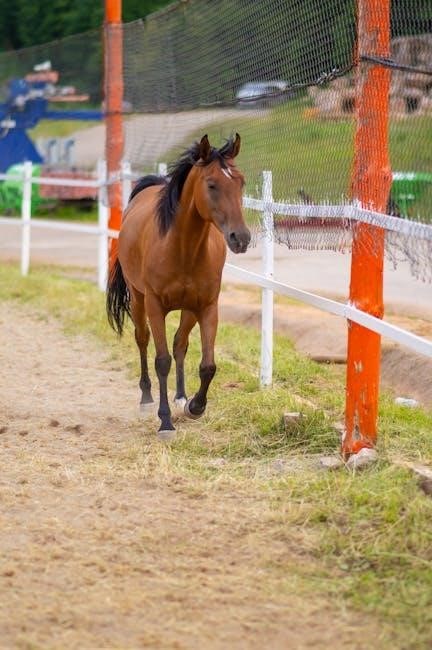
Initiating the adoption typically involves submitting a detailed application to the rescue organization, outlining your experience with horses, facilities, and intended use․ Expect a thorough review process, potentially including reference checks and a virtual or in-person interview․ Once pre-approved, a farm visit is often required to assess your property’s suitability and discuss the horse’s specific needs․
Many rescues provide a comprehensive PDF document detailing the adoption contract, outlining responsibilities and expectations for both parties․ A trial period may be offered to ensure a good fit․ Adoption fees vary, covering veterinary care, farrier services, and rehabilitation costs․ Post-adoption support is frequently available, offering guidance and resources to ensure a successful transition for both horse and adopter․ Be prepared for a commitment to the horse’s long-term well-being․
Financial Considerations of Adoption
Adopting a Tennessee Walking Horse involves costs beyond the initial adoption fee, which can range depending on the horse’s age, training, and medical history․ Expect expenses for veterinary care – including vaccinations, deworming, and dental work – as well as farrier services every 6-8 weeks․ Quality hay, grain, and mineral supplements are essential for maintaining a healthy weight and condition․
Potential adopters should budget for unforeseen medical expenses, as rescue horses may have pre-existing conditions․ Liability insurance is highly recommended; Many rescues provide a detailed PDF outlining estimated annual costs․ Consider boarding fees if you lack suitable facilities․ While adoption is generally more affordable than purchasing, responsible ownership requires a significant financial commitment to ensure the horse’s long-term welfare and happiness․ Thorough budgeting is crucial․
Supporting Tennessee Walking Horse Rescues
Tennessee Walking Horse rescues rely heavily on public support to continue their vital work․ Financial donations, no matter the size, directly contribute to veterinary care, feed, farrier services, and facility maintenance․ Many organizations accept online donations via their websites, and some offer sponsorship programs for specific horses․
Volunteering your time and skills is another impactful way to help․ Rescues often need assistance with barn chores, grooming, fundraising, and administrative tasks․ Consider downloading a volunteer application PDF from the rescue’s website․ Spreading awareness through social media and educating others about the breed’s challenges also makes a difference․ Your contribution, whether monetary or through dedicated service, helps provide a safe haven and brighter future for these deserving animals․
Donations: How Your Contribution Helps
Every donation, large or small, directly impacts the lives of Tennessee Walking Horses in rescue․ Funds are immediately allocated to essential needs, including critical veterinary care – addressing conditions often stemming from past abuse or neglect․ This encompasses treatments for lameness, dental work, and preventative medicine․
A significant portion also covers the daily necessities of care: high-quality feed, comfortable bedding, and routine farrier services to maintain hoof health․ Donations support facility upkeep, ensuring a safe and clean environment․ Many rescues provide rehabilitation programs, and your contribution helps fund these specialized efforts․ You can often find a detailed breakdown of how funds are used in their annual report, frequently available as a PDF download on their website, ensuring transparency and accountability․
Volunteering: Giving Your Time and Skills
Tennessee Walking Horse rescues thrive on the dedication of volunteers! Opportunities range from hands-on horse care – grooming, exercising, and assisting with feeding – to crucial administrative tasks․ Skilled volunteers are particularly valuable; veterinary technicians, farriers, and experienced horse trainers can provide specialized support․
Even if you lack equine experience, there are ways to contribute․ Help with fundraising events, social media outreach, or grant writing․ Many rescues seek assistance with property maintenance and facility improvements․ Detailed volunteer applications and information, often available as a downloadable PDF from the rescue’s website, outline available positions and requirements․ Volunteering isn’t just about giving back; it’s a chance to learn, connect with like-minded individuals, and directly improve the lives of these deserving horses․
Rocky’s Story: An Inspirational Rescue Case
Rocky’s journey exemplifies the transformative power of Tennessee Walking Horse rescue․ Discovered in dire need, this horse captured the hearts of Sharon and Danny Burrier, inspiring them to dedicate their lives to equine welfare․ His story, often detailed in rescue organization newsletters and available as a PDF download, highlights the challenges these horses face – neglect, abandonment, and the lingering effects of abusive training practices․
Rocky’s rehabilitation wasn’t easy, requiring extensive veterinary care, specialized farrier work, and patient retraining․ His progress became a symbol of hope, demonstrating that even severely compromised horses can thrive with dedicated care․ The Burriers’ commitment to Rocky ultimately led to the founding of a rescue, saving countless other equines from similar fates․ Rocky’s story serves as a powerful reminder of the importance of supporting Tennessee Walking Horse rescues and advocating for their well-being․
Falix Server Information (Relevance to Online Rescue Networks)
Falix provides robust server solutions crucial for maintaining active online networks supporting Tennessee Walking Horse rescues․ Many rescues rely on websites and databases to showcase adoptable horses, manage applications, and share vital information – often accessible as downloadable PDF guides․ Falix’s AMD Ryzen 9000 series processors ensure these platforms operate efficiently, handling high traffic volumes from potential adopters and supporters․
Crucially, Falix incorporates industry-leading DDoS protection from Path․net/Neoprotect, safeguarding rescue websites against malicious attacks that could disrupt operations and compromise sensitive data․ This stability is paramount for organizations relying on online donations and volunteer recruitment․ The ability to host servers with a ․falixsrv․me domain, coupled with external start function enablement, facilitates seamless online presence and resource sharing for these vital equine welfare initiatives․
DDoS Protection and Server Stability for Rescue Websites
Tennessee Walking Horse rescue organizations increasingly depend on stable, secure websites to distribute information, including downloadable PDF adoption applications and horse profiles․ Maintaining consistent online access is vital for fundraising, volunteer coordination, and showcasing horses in need․ Distributed Denial of Service (DDoS) attacks pose a significant threat, potentially crippling these essential resources․
Falix addresses this vulnerability with industry-leading DDoS protection provided by Path․net / Neoprotect․ This robust defense mitigates malicious traffic, ensuring uninterrupted website availability․ Server stability, powered by cutting-edge AMD Ryzen 9000 series processors, further enhances performance and responsiveness, even during peak usage․ A reliable online presence is not merely convenient; it’s fundamental to the success of these rescues and their ability to connect horses with loving homes, often detailed in accessible PDF formats․
AMD Ryzen 9000 Series Processors and Website Performance
Tennessee Walking Horse rescue websites often feature extensive photo and video galleries, detailed horse profiles, and downloadable PDF documents like adoption applications and health records․ Delivering this content quickly and reliably requires substantial processing power․ Falix leverages the latest AMD Ryzen 9000 series processors to meet these demands․
These processors provide a significant performance boost compared to previous generations, ensuring fast page load times and smooth user experiences․ This is crucial for engaging potential adopters and donors․ Faster processing speeds also facilitate efficient database management, allowing rescues to quickly search and update horse information, including generating and hosting PDF reports․ By prioritizing website performance, Falix empowers rescue organizations to maximize their online reach and ultimately, find more homes for these deserving animals․